

Apple does not usually leak its long-term plans, but when multiple reports line up, a clearer picture starts to form. According to new reporting from The Information, Apple currently has at least eight different iPhone models in development, stretching across 2026 and 2027.
This is not just a yearly refresh cycle. Apple appears to be setting up a two-year run that includes safer updates, major camera and display upgrades, its first foldable iPhone, and a dramatic redesign for the iPhone’s 20th anniversary.
Here is what that roadmap looks like, broken down in plain terms.
Spring 2026: A Small Fix With the iPhone 17e.

Apple is expected to start 2026 with the iPhone 17e, a light refresh of the iPhone 16e.
This model is not about reinvention. Instead, Apple seems focused on fixing what people complained about. The biggest change is the return of a glass back with magnetic wireless charging, something many users missed on the iPhone 16e.
It is also expected to ship with Apple’s newer C1X modem, continuing Apple’s push to reduce reliance on third-party components.
If you skipped the 16e, the 17e looks like a more complete version of that idea.
Worth checking out: Massive iOS 26 Leak Reveals Apple’s Hardware and Software Plans Through 2027
Fall 2026: Pro iPhones Go More Subtle, but Smarter
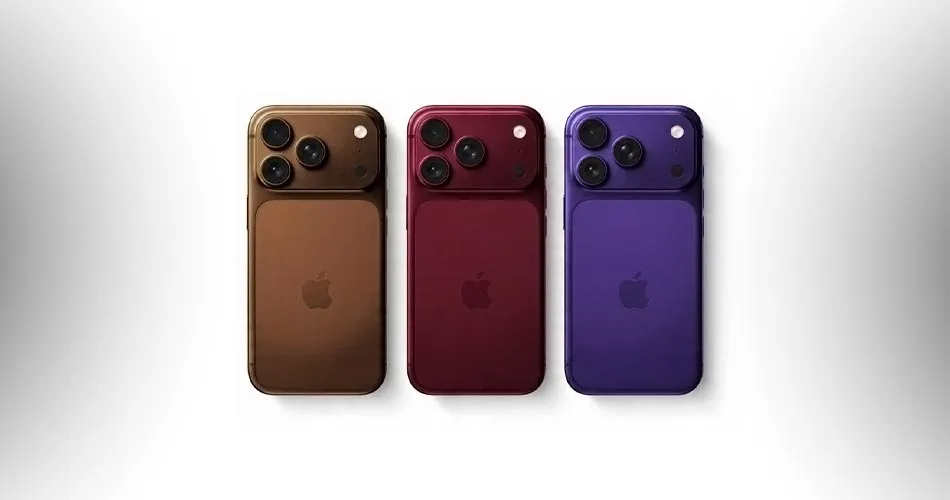
The iPhone 18 Pro and iPhone 18 Pro Max are expected in fall 2026, and while they may not look dramatically different on the outside, the changes underneath could matter a lot.
Apple is reportedly planning to move Face ID sensors under the display, leaving only a small front-facing camera cutout in the top-left corner. If it works well, this could be Apple’s cleanest front display in years.
On the camera side, at least one rear lens is expected to gain a mechanical aperture, allowing the camera to physically adjust to lighting conditions. This is a more “real camera” solution and could noticeably improve night photos without hurting daytime shots.
Internally, Apple is also working with TSMC on new chip packaging that places memory closer to the processor, which should improve performance and efficiency without sacrificing battery life.
Fall 2026: The iPhone Fold Finally Arrives
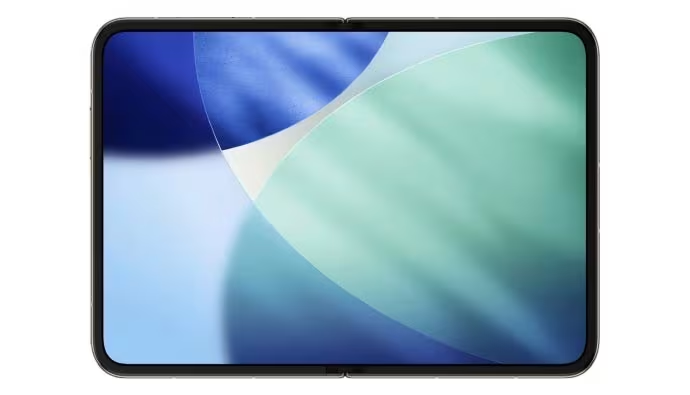
Apple’s long-rumored foldable iPhone is still on track, at least for now.
The iPhone Fold is expected to feature a 7.7-inch display when unfolded, shrinking to around 5.3 inches when closed. Unlike some foldables, this one is said to be wider than it is tall when open, suggesting Apple is aiming for something closer to an iPad-like experience.
Development has reportedly been difficult, with high display defect rates during testing. That is not unusual for foldables, but it helps explain why Apple has taken its time.
If Apple does ship this device, it will likely do so at a premium price (~$2,300), positioning it as a new category rather than a mainstream iPhone replacement.
Spring 2027: Familiar Updates, No Big Surprises
In early 2027, Apple is expected to refresh its standard lineup with the base iPhone 18 and a new iPhone 18e.
Both are described as incremental updates. The base iPhone 18 may quietly remove some experimental features, like advanced haptics tied to camera controls, while the 18e continues Apple’s budget-friendly strategy with wireless charging intact.
These models appear designed to maintain consistency rather than push boundaries.
Spring 2027: Apple Gives the iPhone Air Another Shot
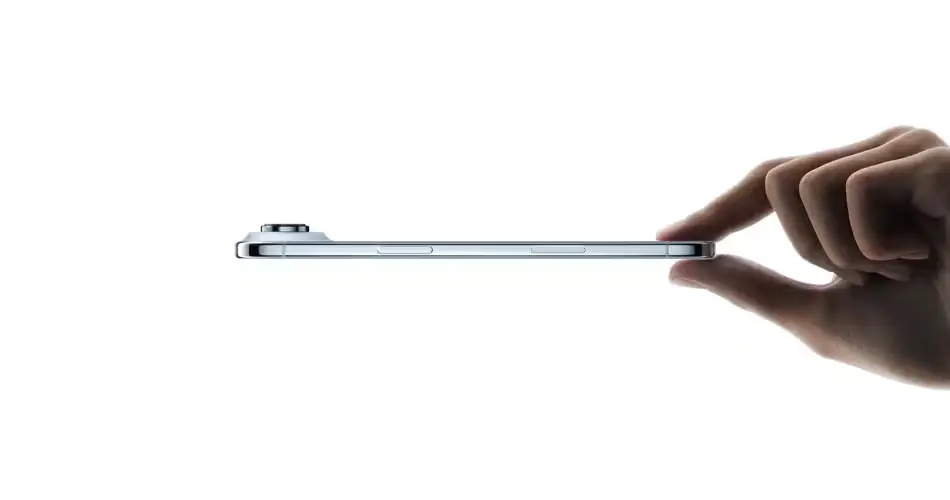
Apple is not giving up on the iPhone Air just yet.
After reportedly weak sales of the first model, Apple is said to be redesigning the iPhone Air 2. The company is considering adding a second rear camera and lowering the price to make it more competitive.
This suggests Apple still believes there is room for an ultra-thin iPhone, but recognizes that it needs fewer compromises to succeed.
Fall 2027: The iPhone 20 Changes Everything
The most ambitious device in Apple’s pipeline is the iPhone 20, expected in fall 2027.
This model is designed to celebrate 20 years of the iPhone, and Apple is reportedly going all in. The phone is said to feature curved glass on the front, back, and edges, removing the black borders that typically frame the display.
The front camera is expected to sit under the display, creating a true edge-to-edge screen with no visible cutouts. A thin metal band would remain around the device’s midpoint for structural support and buttons.
If Apple pulls this off, it would be the boldest iPhone redesign in over a decade.
What stands out most is not any single device, but the overall strategy. Apple appears to be pacing itself, mixing cautious updates with a few high-risk, high-reward products.
Foldables, under-display sensors, and anniversary-level redesigns all point to Apple preparing for a post-slab smartphone era, without abandoning the formula that still sells millions of iPhones every year.
If these plans hold, the next two years could quietly reshape what people expect from an iPhone.