

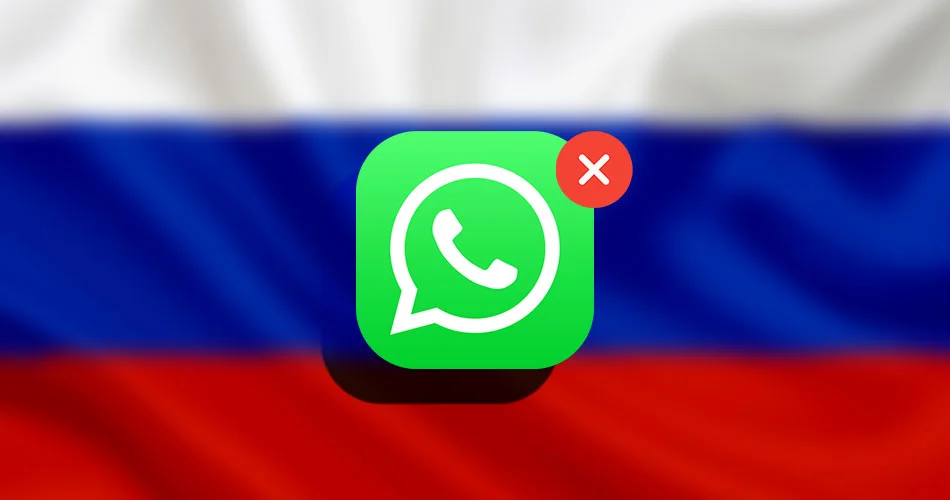
WhatsApp is now officially blocked in Russia.
According to a report from the Financial Times, Russian authorities have removed the app from a national online directory, effectively cutting off access for an estimated 100 million users inside the country.
Meta did not hold back in its response.
“Today the Russian government has attempted to fully block WhatsApp in an effort to drive users to a state-owned surveillance app,” the company said in a statement. Meta added that isolating millions of people from private and secure communication is “a backwards step.”
What’s replacing WhatsApp?
The Russian government has reportedly been promoting an alternative app called Max, described as an unencrypted WeChat-style platform. Officials argue that a domestically controlled messaging service will better protect citizens from fraud and terrorism.
Critics, however, see it differently.
Because Max is state-owned and reportedly lacks end-to-end encryption, concerns are mounting that the move is less about security and more about surveillance and tighter control over digital communication.
Worth checking out: How to Stop WhatsApp From Revealing Your IP Address
Not just WhatsApp
The crackdown does not stop there.
- Telegram has reportedly been deleted from official directories.
- Facebook and Instagram were already restricted after Meta was labeled an extremist organization.
- YouTube access has been degraded, though it is unclear whether it has been fully removed.
This follows earlier signals from Russian lawmakers. In July 2025, a senior IT regulator said it was “very likely” that WhatsApp would be placed on a restricted software list. President Vladimir Putin also directed officials to further limit apps originating from what Russia considers “unfriendly countries.”
Domestic concerns
Interestingly, even some pro-government voices have expressed concern about restrictions on Telegram. Residents near Ukraine’s border have relied on the app for drone and missile alerts. One regional governor warned that limiting Telegram could disrupt critical information flows if the security situation worsens.
This move marks one of the most significant steps yet in Russia’s effort to control digital communication within its borders.
For everyday users, the impact is immediate. For the broader tech landscape, it raises deeper questions about internet fragmentation, state control, and the future of encrypted messaging in certain parts of the world.