
It looks like Microsoft is finally ready to admit something users have been saying since 2021: the Windows 11 Taskbar redesign went a little too far.
According to Windows Central, Microsoft is actively working on bringing back the ability to move the Taskbar in Windows 11. Yes, that feature, the one that existed for decades. The one that disappeared when Windows 11 launched.
And honestly, it’s about time.
A feature that never should have left
Since the days of Windows 95, users have been able to position the Taskbar wherever they wanted. Top, left, right, bottom. It was flexible, simple, and weirdly personal.
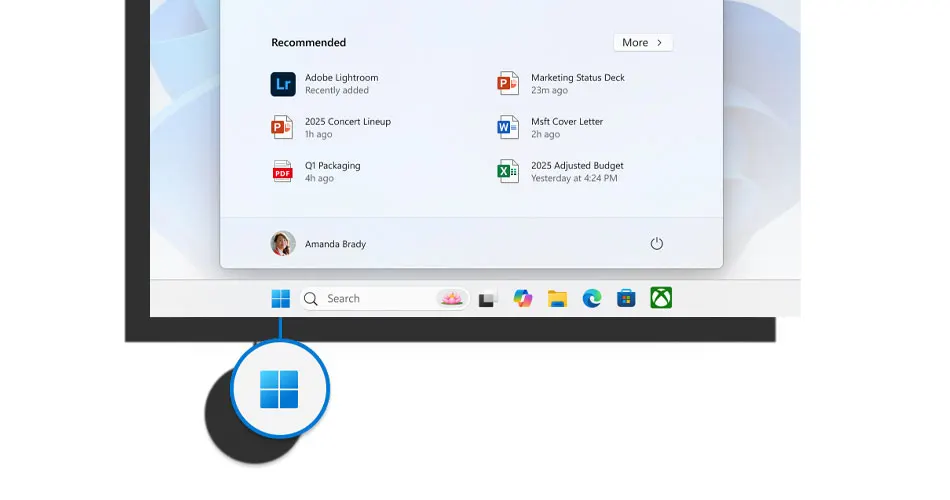
When Windows 11 debuted in 2021, Microsoft rebuilt the Taskbar from scratch. In the process, that flexibility vanished. The Taskbar was locked to the bottom of the screen, centered icons and all. No moving it, no resizing it. Just… deal with it.
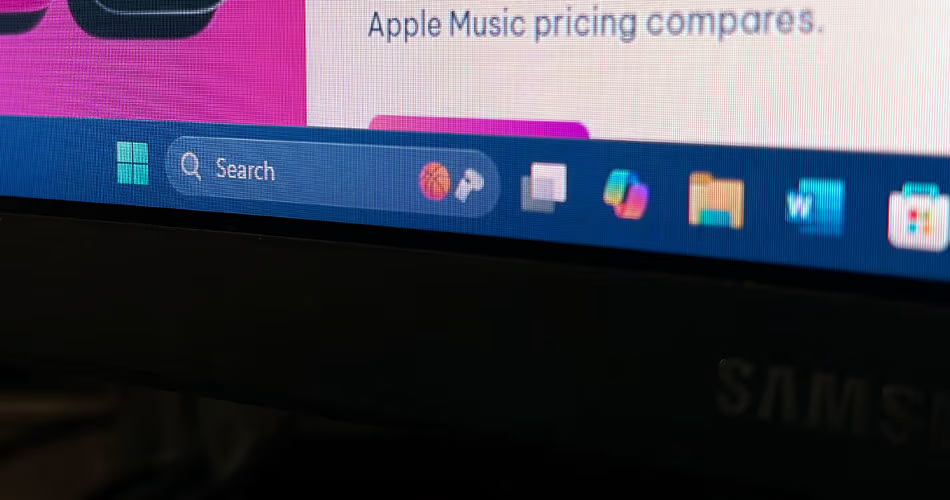
For power users, ultrawide monitor owners, and anyone who preferred a vertical layout, that change felt like a downgrade.
Now, five years later, Microsoft appears ready to reverse course.
What’s coming
Sources familiar with Microsoft’s plans say Windows 11 will soon allow users to:
- Move the Taskbar to the left, right, or top of the display
- Resize the Taskbar to adjust how much screen space it takes up
- Use flyouts and buttons that properly adapt to different orientations
That last part is important. Moving the Taskbar is easy, but making everything work correctly when it’s vertical or at the top is where things get complicated. Apparently, Microsoft is investing extra resources to ensure this doesn’t feel half-baked.
The feature is reportedly a high priority and could be unveiled over the summer, assuming plans stay on track.
Why now?
Windows 11 has faced criticism for performance issues, File Explorer quirks, and removed customization options. Sentiment around the OS has been, let’s say, mixed.
Microsoft seems to recognize that. The company is said to be working on broader improvements beyond the Taskbar, including general system performance tuning and addressing long-standing complaints.
Bringing back Taskbar customization feels symbolic. It sends a message: we hear you.
And frankly, restoring a feature that existed for over 25 years is low-hanging fruit. But it’s the kind of low-hanging fruit that matters.
The bigger picture
This move suggests Microsoft is shifting away from the “we know best” design philosophy that defined early Windows 11. Instead, it appears to be leaning back into flexibility and user choice.
And that’s smart.
Windows has always thrived on customization. Locking down core UI behavior never really fit the platform’s DNA. If Microsoft wants to rebuild goodwill around Windows 11, restoring control is a strong start.
Now the real question is whether these improvements arrive polished and stable or feel rushed to fix perception.
Either way, one thing is clear: the Windows 11 Taskbar move and resize feature is finally coming home.