

The global smartphone market has hit another slowdown. After more than two years of steady recovery, shipments are falling again, and analysts say things may get tougher before they improve.
Yet amid the downturn, one company appears to be moving in the opposite direction. Apple’s strategy during this period may be helping it grow while the rest of the industry faces mounting pressure.
A new report from International Data Corporation estimates that global smartphone shipments dropped 4.1% year over year in the first quarter, ending roughly two and a half years of continuous market growth.
The main driver behind the decline is a problem affecting the entire industry right now.
Rising memory costs are squeezing the smartphone market
Smartphone manufacturers are dealing with a sharp increase in the price of memory components. At the same time, supply shortages are making those parts harder to secure.
For many brands, the combination of limited supply and higher costs leaves little room to absorb the impact. Most smartphone companies operate with relatively tight margins, which means the extra cost often ends up being passed on to customers.
In some markets, the price impact has been significant:
- Smartphone prices in some emerging markets have increased by 40 to 50%
- Global smartphone shipments fell 4.1% year over year
- The decline ends roughly 2.5 years of continuous growth
According to analysts at IDC, the current slowdown may only be the beginning if memory supply constraints continue.
Many brands are starting to raise prices
To offset rising component costs, several smartphone manufacturers have begun adjusting their pricing strategies. Even Samsung has recently increased prices on some of its devices.
The changes affect multiple models in the Samsung Galaxy family, including:
- Galaxy Z Flip 7
- Galaxy S25 Edge
- Galaxy S25 FE
In many cases the starting price remains the same, but upgraded storage variants now cost more.
Typical increases include:
- $40 increase on some models
- Up to $80 more for higher storage variants
These adjustments reflect the pressure smartphone companies are facing as memory and component costs continue to rise.
Apple appears to be taking a different approach
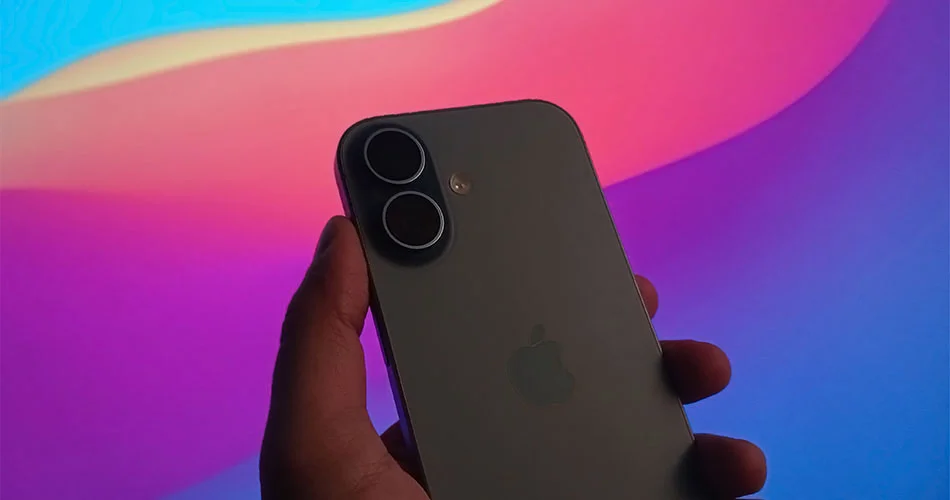
While several brands are pushing prices upward, Apple has largely kept pricing stable for its flagship devices.
That decision may be helping the company stand out during a difficult period for the industry.
According to the IDC report:
- iPhone shipments grew 3.3% year over year
- Samsung shipments grew 3.6%
- Meanwhile, the overall smartphone market declined 4.1%
The growth of the iPhone during a market slowdown suggests Apple’s pricing strategy could be attracting buyers while competitors face price pressure.
A strategy focused on growth
Some analysts believe Apple may be deliberately prioritizing market share during this period.
Instead of aggressively raising prices to protect profit margins, the company could be accepting slightly lower margins in order to maintain demand and capture more customers while competitors are forced to raise prices.
RELATED: Apple Reportedly Accepts 100 Percent Price Hike on Samsung Memory for iPhone 17
If rival phones become more expensive while iPhone pricing remains relatively stable, the perceived gap between competing devices narrows. For many buyers, that difference could make Apple’s lineup feel like the safer choice.
A rare opportunity in a difficult market
The smartphone industry is entering one of its most challenging periods in recent years. Rising component costs, supply constraints, and weaker demand are creating pressure across the market.
But downturns can sometimes create opportunities.
If competitors continue raising prices while Apple holds the line, the company could emerge from this difficult cycle with a stronger position in the global smartphone market.