
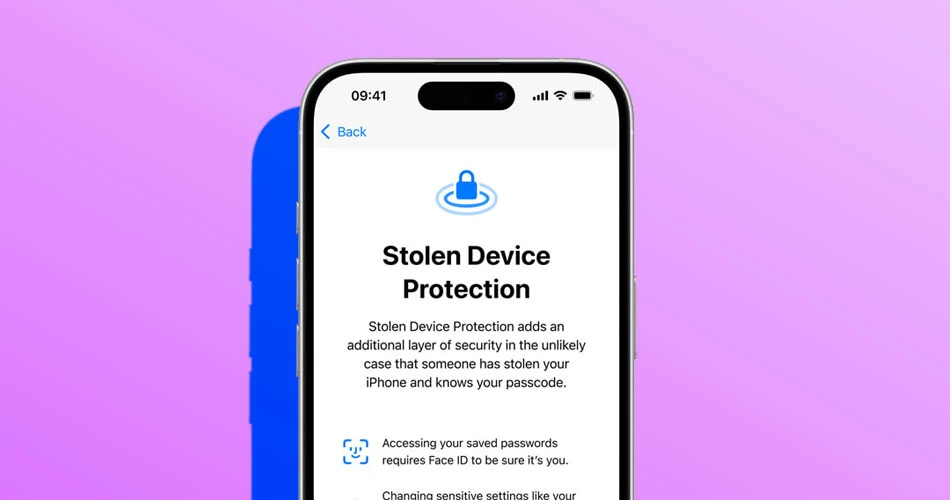
According to a new report, Stolen Device Protection will be turned on by default for all iPhones running iOS 26.4. That means a key theft prevention feature that was previously optional will now be automatically enabled for everyone.
And honestly? That feels overdue.
Stolen Device Protection will be on by default
Apple first introduced Stolen Device Protection back in early 2024 as part of iOS 17.3. At the time, it was completely opt-in. If you did not manually enable it, you never benefited from it.
According to MacRumors, with iOS 26.4, that changes.
When the update installs, the feature will automatically be active, although users will still be able to turn it off if they really want to.
The feature is designed to protect you in a very specific and scary scenario: someone steals your iPhone and also knows your passcode. That combination can be devastating without extra safeguards in place.
Here is how Apple describes it in its support documentation:
“With Stolen Device Protection, some features and actions have additional security requirements when your iPhone is away from familiar locations such as home or work. These requirements help prevent someone who has stolen your iPhone and knows your passcode from making critical changes to your account or device.”
There are two key protections built in:
Biometric authentication only
Certain sensitive actions, like accessing saved passwords or stored credit cards, require Face ID or Touch ID. There is no passcode fallback in these cases. If your face or fingerprint does not match, access is denied.
Security Delay
For major changes, such as updating your Apple Account password, there is a mandatory one-hour delay. After that hour, you must authenticate again with Face ID or Touch ID to proceed.
Yes, it adds friction. But that friction could save your entire digital life.
Why Apple changed course
When Stolen Device Protection first launched, Apple made it optional because of the added restrictions. For some users, waiting an hour to change a password or being forced into biometric authentication might feel inconvenient.
But real-world theft cases have shown just how dangerous passcode compromise can be. Criminals have targeted victims, watched them enter their passcodes, then stolen their phones to quickly lock them out of their own Apple IDs.
By enabling Stolen Device Protection by default in iOS 26.4, Apple is essentially saying the trade-offs are worth it. And from a security standpoint, that is hard to argue with.
If you never turned the feature on before, iOS 26.4 will make the decision for you. The only question is whether you will leave it enabled.