
With the first developer betas of iOS 26.4, iPadOS 26.4, and macOS Tahoe 26.4, Apple has introduced testing for end-to-end encryption (E2EE) for RCS messages.
This marks the first time Apple devices are testing encrypted RCS messaging, closing a long-standing security gap between iPhone and Android conversations.
What’s changing
Historically:
- iMessage has supported end-to-end encryption between Apple devices.
- RCS between Android devices has supported E2EE.
- But iPhone and Android RCS conversations were not fully encrypted.
That is now changing.
Apple has been collaborating with the GSM Association (GSMA) to implement E2EE under the new RCS Universal Profile 3.0 standard. Apple currently supports RCS Universal Profile 2.4, so this represents a significant protocol upgrade.
Once fully deployed, RCS conversations between iPhone and Android users will offer security comparable to iMessage.
How it works in the beta
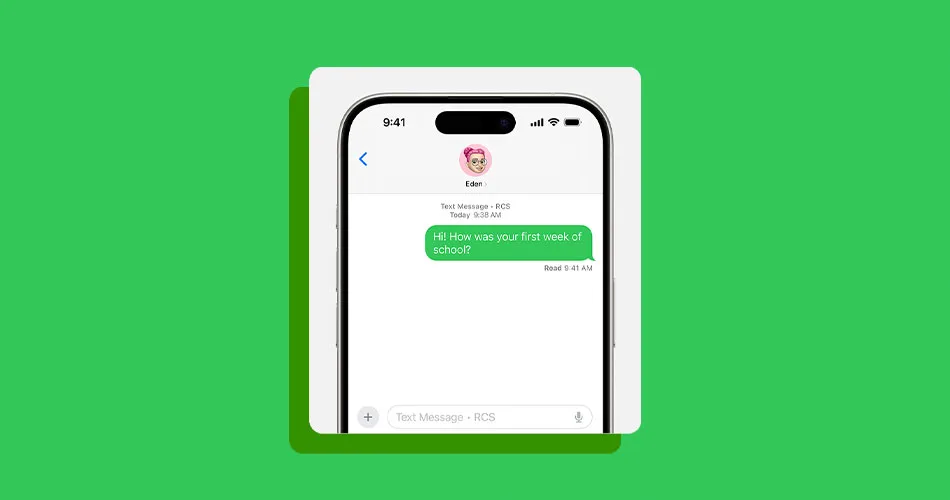
Developers running the iOS 26.4 beta will notice:
- A new Settings toggle (enabled by default) for testing encrypted RCS messaging.
- A lock icon inside RCS chats when E2EE is active.
- The lock icon now also appears in iMessage chats for clearer visual consistency.
Important limitations in Beta 1:
- RCS encryption is currently available only for Apple device testing.
- It works when iMessage is disabled.
- Rollout is gradual — not all beta users will see it immediately.
- Cross-platform iPhone and Android testing will begin later.
What RCS Universal Profile 3.0 adds
Beyond encryption, the 3.0 standard enables:
- Editing sent messages
- Deleting sent messages
- Inline replies in cross-platform conversations
These are features iMessage users have had for years, and their arrival in cross-platform messaging narrows the functional gap significantly.
Timeline
Apple released the first developer betas today. Public releases are expected in the spring, but full cross-platform encrypted RCS functionality is likely to arrive in a later iOS 26 update rather than immediately at 26.4 launch.
From a security architecture perspective, this is one of the most important interoperability updates Apple has made in years.