
OpenAI and Jony Ive are reportedly preparing to launch their first hardware product, and it may look very familiar.
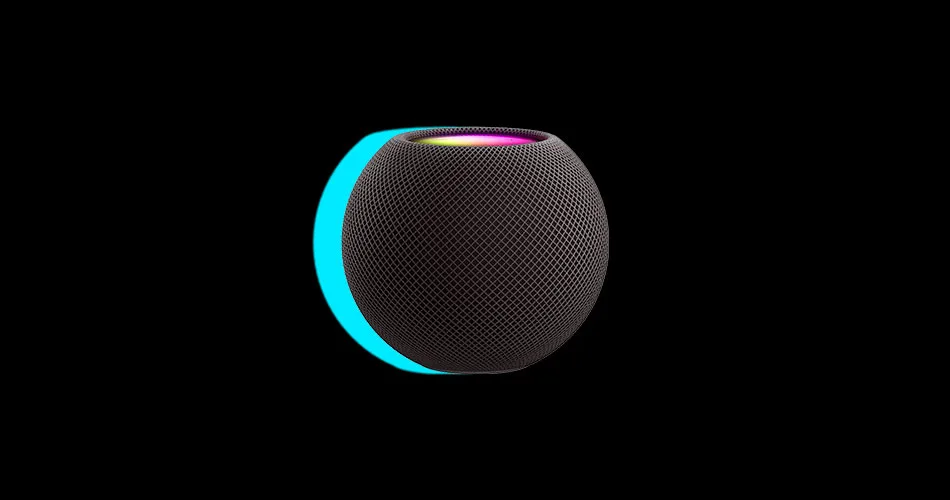
According to a new report from The Information, the first Ive-designed OpenAI device expected to ship is a smart speaker. Yes, a smart speaker.
A $200-$300 AI smart speaker with a camera
Stephanie Palazzolo and Qianer Liu report:
“The smart speaker—the first device OpenAI will release—is likely to be priced between $200 and $300, according to two people with knowledge of it.”
But this is not just another Alexa competitor. The report adds:
“The speaker will have a camera, enabling it to take in information about its users and their surroundings, such as items on a nearby table or conversations people are having in the vicinity…”
And perhaps most notably:
“It will also allow people to buy things by identifying them with a facial recognition feature similar to Apple’s Face ID, the people said.”
If accurate, this is far more ambitious than a traditional smart speaker. This sounds like an ambient AI device designed to see, hear, and transact. In other words: HomePod 2.0 meets AI assistant meets commerce engine.
The broader hardware ambition
The smart speaker is reportedly just the beginning. Two additional products are said to be in active development:
- Smart glasses
- A smart lamp
While details remain limited, the trio suggests OpenAI is aiming to build a full ecosystem of AI-powered hardware rather than a single experiment.
Tensions behind the scenes
The report also sheds light on how the partnership is structured.
“Ive’s involvement with OpenAI is complicated. He still runs his design firm, LoveFrom, as an entity independent of OpenAI, even though it is LoveFrom that is in charge of coming up with potential OpenAI device designs.”
RELATED: OpenAI Drops ‘io’ Name for Jony Ive AI Device, Launch Delayed to 2027
Meanwhile:
“OpenAI’s internal devices team is in charge of making the hardware and the software powering it, as well as understanding how consumers will use the device.”
That separation has reportedly created friction.
“That division of responsibilities has sparked tensions. Some OpenAI staffers have complained that LoveFrom has been slow to revise its designs and shares little about its process…”
There have also reportedly been complications integrating io members into OpenAI’s existing hardware team following the acquisition.
This kind of structural tension is not uncommon in early hardware efforts, especially when a legendary designer and a fast-moving AI startup collide.
How this stacks up against Apple
The comparison to Apple is unavoidable. Ive was the design force behind iconic Apple products, including the HomePod. Now, he may be building a direct AI-powered competitor.
At the same time, Apple is reportedly developing its own AI-focused wearables and next-generation HomePod products.
If OpenAI launches a camera-equipped, AI-native smart speaker before Apple reinvents Siri in hardware form, the competitive narrative could shift quickly.
Why this is interesting
A smart speaker might not sound revolutionary at first. But a camera-equipped, AI-native device priced between $200 and $300 and designed by Jony Ive is not just another Echo clone.
It signals that OpenAI is serious about owning the physical layer of AI, not just the software. If this truly is the first Ive-OpenAI device, it won’t just be a speaker, it will be a statement.