
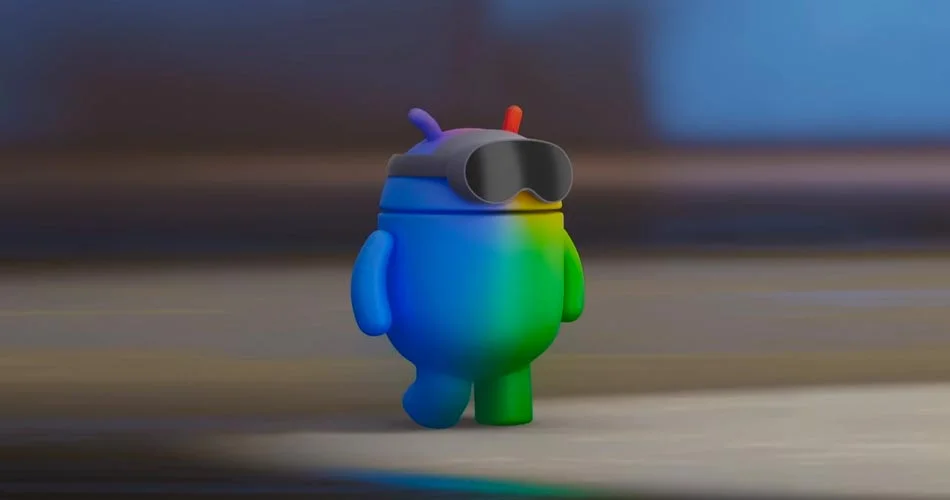
Google is quietly positioning itself for a full-spectrum wearable computing future, and 2026–2027 is shaping up to be the most aggressive push the company has made since Google Glass.
At the same time, Google and Samsung are rapidly improving the Galaxy XR headset with new productivity and avatar tools. If it feels like the race to own the next computing platform is accelerating again, it’s because it absolutely is.
Below is a detailed look at Google’s three new smart glasses, plus the three major features added to Galaxy XR — and what this combination says about Google’s broader XR strategy.
Google Smart Glasses Are Coming in Three Forms
Industry reports suggest Google is developing three types of smart glasses, each targeting a different level of mixed-reality capability. Unlike the single-device approach competitors are taking, Google appears to be building an entire continuum of products ranging from simple assistant glasses to full mixed-reality eyewear.
1. Audio-Only Assistant Glasses (Expected 2026)
These will look like regular glasses but include:
- Built-in speakers
- Microphones for voice input
- A camera that lets Google Gemini “see what you see”
- No display
Think of them as the spiritual successor to the Ray-Ban Meta glasses, just with Google’s AI front and center. They’re designed to be simple, lightweight and always available. With AI assistant usage exploding, this feels like the most practical place for Google to start.
2. Monocular Smart Glasses With a Single-Lens Display (Also 2026)
The second pair steps things up:
- A tiny display over one lens
- Support for YouTube Music controls
- Turn-by-turn navigation in Google Maps
- Subtle, everyday wearable design
Today, we shared a first look at Project Aura from XREAL, the first Android XR device in this category. Equipped with a 70-degree field of view and optical see-through technology, these devices layer digital content directly onto your view of the physical world. This gives you a massive, private canvas to place multiple windows, allowing you to take your workspace or entertainment with you without blocking out your surroundings. They are perfect for practical everyday uses, too
Google is reportedly co-designing frames with Gentle Monster and Warby Parker, and Samsung is involved behind the scenes. This category might end up being the sweet spot between price, comfort and capability — something Google Glass never managed.
3. Binocular XR Glasses With Dual Micro-Displays (Target: 2027)
This is where things get serious.
These binocular XR smart glasses use:
- Dual micro-displays
- Depth rendering
- Full mixed-reality visuals without a bulky headset
Basically, imagine Apple Vision Pro functionality but in a glasses form factor. Based on reporting from Android Authority, 2027 is the earliest realistic date.
For now, the specs and features are still early, but the direction is clear. Google wants to build the everyday XR device, not just a premium niche headset.
Meanwhile, Galaxy XR Just Got Its Biggest Upgrade Yet
While Google builds smart glasses for the future, it’s simultaneously supercharging the Galaxy XR headset — a clear sign that Google and Samsung are tackling the XR market from both ends.
Three new Galaxy XR features are rolling out in the US and South Korea:
1. PC Connect
Mirror your full PC desktop or a single app straight into Galaxy XR through the new PC Connect app.
Highlights include:
- Monitor-free productivity
- Virtual big-screen gaming
- Gemini AI assistance during gameplay
Cities: Skylines II was specifically mentioned as one of the games that benefits from a giant, immersive virtual display.
2. Likeness, Realistic Digital Avatars for Google Meet
Likeness uses a detailed facial scan to create a realistic digital version of you.
It supports:
- Real-time facial expressions
- Appearing in meetings even when you can’t be on camera
- A more human avatar experience than the basic AR options we’ve seen before
This is still in beta, but it already looks more natural than most avatar systems.
3. Travel Mode
Designed for flights or commutes, Travel Mode:
- Stabilizes your virtual workspace
- Creates a consistent cinema-style view
- Minimizes motion shifts as the environment moves
This is arguably the most useful feature for frequent travelers who want a private big-screen workspace anywhere.
What This Means for the Future of XR
Google’s strategy is clearer than ever. Instead of betting on one expensive headset, it’s attacking the problem vertically:
- Entry-level: AI assistant glasses
- Mid-tier: Monocular smart glasses with simple overlays
- High-end: Binocular mixed-reality glasses
Paired with Samsung’s rapid upgrades to Galaxy XR, it’s obvious Google wants to dominate both the wearable AI category and the emerging mixed-reality ecosystem.
Apple pushed the industry into high gear with Vision Pro, but Google and Samsung are now moving at a pace that feels more aggressive and more accessible. If all of these products arrive on schedule, 2026–2027 might be the biggest shift in personal computing since the smartphone era began.